Uncategorized February 25, 2025

Are Investors Actually Buying Up All the Homes?

Are you trying to buy a home but feel like you’re up against deep-pocketed Wall Street investors snatching up everything in sight? Many people believe mega investors are driving up prices and buying up all the homes for sale, making it hard for regular buyers like you to compete.

But here’s the truth. Investor purchases are declining, and the big players aren’t nearly as active as you think. Let’s dive into the facts and put this myth to rest.

Most Investors Are Small, Not Mega Investors

A common misconception is that massive institutional investors are dominating the market. In reality, that’s not the case. The Mortgage Reports explains:

“On average, small investors account for around 18% of the market, while mega investors represent only about 1%.

Most real estate investors are mom-and-pop investors who own just a few properties — not large corporations buying up entire neighborhoods. They’re people like your neighbors who have another home they rent or a vacation getaway.

Investor Home Purchases Are Dropping

But what about the big investors you hear about in the news? Lately, those institutional investors who make headlines have pulled back and aren’t buying as many homes.

According to John Burns Research and Consulting (JBREC), at their all-time peak in Q2 2022, institutional investors (those owning 1,000+ single-family homes) only made up 2.4% of home sales. And that number has only come down since then. By Q3 2024, that number had fallen to just 0.3% (see graph below):

That’s a significant shift, meaning fewer investors are competing in the market now than just a few years ago.

Investors are more reluctant to buy in today’s market, but why? The answer is mainly because higher mortgage rates and home prices have made it less attractive for them.

The idea that Wall Street investors are buying up all the homes and making it impossible for you to compete is a myth. While some investors are still in the market, they’re less active than in past years.

Bottom Line

Big institutional investors aren’t buying all the homes – if anything, they’re buying less than they have been. Let’s connect and talk about what’s happening in our local market. There could be more opportunities than you think.

How does knowing investors are buying fewer homes change how you see your chances in today’s market?

Uncategorized February 24, 2025

How To Buy a Home Without Waiting for Lower Rates

Many people are hoping mortgage rates will come down before they buy a home. But will that actually happen? According to the latest forecasts, experts say rates will decline, but not by as much as a lot of people want.

The good news? Even if they don’t drop substantially, there are still ways to make buying a home more affordable.

How Much Will Rates Drop?

A few months ago, experts were forecasting mortgage rates could dip below 6% by the end of the year. But recent projections suggest that may not happen after all.

While mortgage rates are still expected to decline some later this year, projections from Fannie Mae, the Mortgage Bankers Association (MBA), and Wells Fargo now show them stabilizing closer to the 6.5% to 7% range (see below):

a blue and white graph with numbers and textThat means if you’re holding off on buying a home in hopes of much lower mortgage rates, you may be waiting a while. And if you need to move because something in your life has changed, like a new job, a new baby, or a marriage – waiting that long may not be an option.

Creative Financing Options in Today’s Market

Since rates aren’t expected to decline as much as originally expected, it may be worth considering alternative financing options that could help you get into a home sooner rather than later. Here are three strategies to discuss with your lender to see if any of these make sense for you:

1. Mortgage Buydowns

A mortgage buydown allows you to pay an upfront fee to lower your mortgage rate for a set period of time. This can be especially helpful if you want or need a lower monthly payment early on. In fact, 27% of agents say first-time homebuyers are increasingly requesting buydowns from sellers in order to buy a home right now.

2. Adjustable-Rate Mortgages

Adjustable-rate mortgages (ARMs) typically start with a lower mortgage rate than a traditional 30-year fixed mortgage. This makes them an attractive option, especially if you expect rates to drop in the coming years or plan to refinance later.

And if you remember the housing crash, know that today’s ARMs aren’t like the risky ones back then. Lance Lambert, Co-Founder of ResiClub, helps drive this point home by saying:

. . . ARM products today are different from many of the products issued in the mid-2000s. Before 2008, lenders often approved ARMs based on borrowers ability to pay the initial lower interest rates. And sometimes they didn’t even check that (remember Ninja loans). Today, adjustable-rate borrowers qualify based on their ability to cover a higher monthly payment, not just the initial lower payment.”

In simple terms, banks used to give loans without checking to see if buyers could afford them. Now, lenders verify income, assets, and jobs, reducing the risks associated with ARMs compared to the past.

3. Assumable Mortgages

An assumable mortgage allows you to take over the seller’s existing loan — including its lower mortgage rate. And with more than 11 million homes qualifying for this option according to U.S. News, it’s worth exploring if you want or need a better rate.

Bottom Line

Waiting for a big decline in mortgage rates may not be the best strategy. Instead, options like buydowns, ARMs, or assumable mortgages could make homeownership more affordable right now. Connect with a local lender to explore what works for you.

How does this impact your homebuying plans this year?

Uncategorized February 21, 2025

Should I Update My House Before I Sell It?

Uncategorized February 19, 2025

The Return to Urban Living — Why More People Are Moving Back to Cities

After years of suburban and rural migration during the pandemic, cities have been making a comeback in the past couple of years. According to the National Association of Realtors (NAR), the percentage of people moving to cities has risen to 16%. While that may not sound like a big number to you, it is the highest level in a decade – and that’s a big deal (see graph below):

And data from BrightMLS seems to confirm this trend. In a recent survey, 1 in 5 (20.6%) people looking to buy say they want to live in the city.

So, what’s behind this ongoing shift back to urban living? Let’s break down the top three reasons why people are trading quiet suburbs for bustling cityscapes. You may find out you want to sell your house with a big yard and move to an urban oasis.

1. Vibrant Culture

Cities have always been hubs of culture, entertainment, and community. They’re packed with energy, and there are always endless things to do. During the pandemic, a lot of that excitement was put on pause. But in the last couple of years, cities have been buzzing again.

There’s nothing quite like walking to your favorite coffee shop, popping into a local gallery, seeing a live concert or show, or grabbing a last-minute dinner at a great spot down the street. It’s an easy-to-lovea lifestyle—and one that many people want today.

2. Being Close to Work

Remote work is still a thing, but most companies are moving to hybrid schedules or bringing employees back to the office. That makes living closer to work way more convenient. Whether cutting down a long commute or having more chances to network in person, being close to the office is a big plus — especially for industries that thrive on face-to-face connections.

3. Easy Access To Everything You Need or Want

One of the best things about living in a city? The convenience. Public transportation, top-notch healthcare, and much more are all within easy reach. For many people, having everything nearby makes life easier — and it’s a big reason they’re drawn to urban living.

What To Do If You Want To Move To the City

Let’s say you moved to a suburban area during the pandemic and are missing the excitement of living off city streets. You’re probably thinking: how can I afford to move back into the heart of things with how mortgage rates and home prices are? Here’s how other people are doing it.

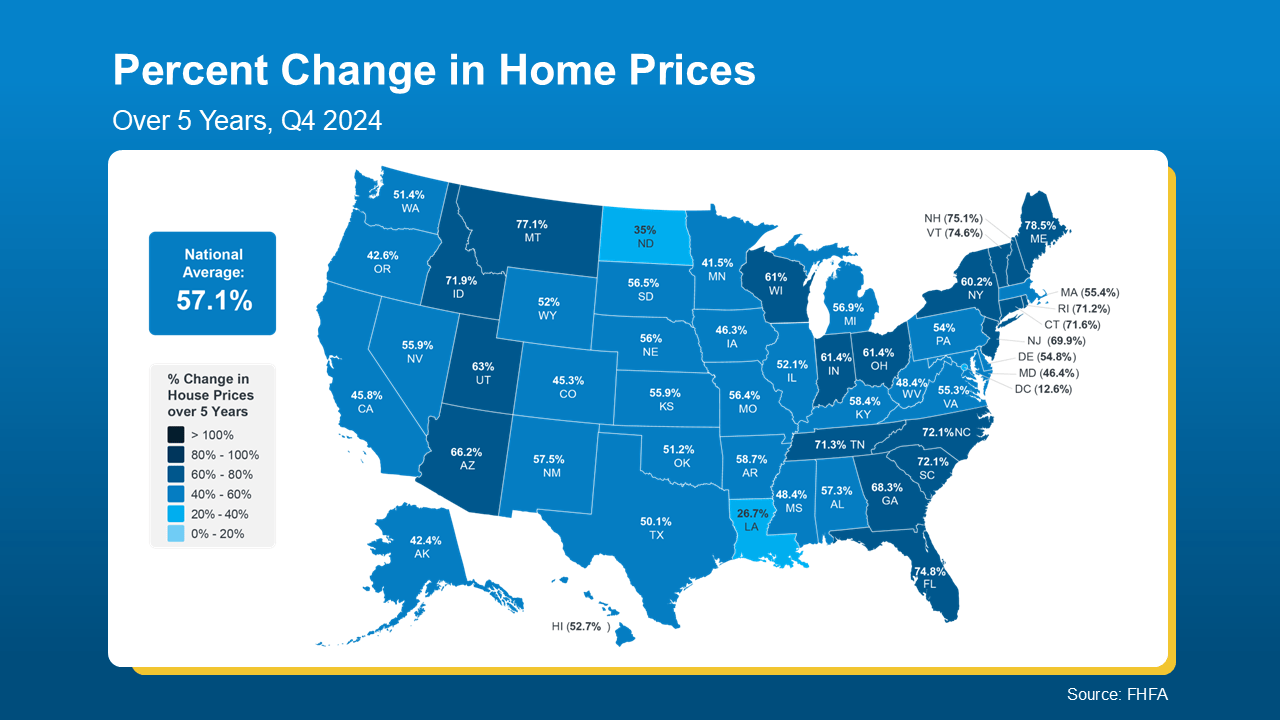
According to data from the Federal Housing Finance Agency (FHFA), home values have increased by 57.4% in the last 5 years alone. And that means your house will probably sell for more than you bought it for.

If you own a home in the suburbs, you may be able to sell that house and use the equity you get back to fuel your move. Sure, you may have to compromise and be happy with a smaller, urban space – but if it’s the lifestyle you’re craving – that trade-off will be worth it. To find out what’s possible and what it costs to live in an urban area, lean on a local real estate professional.

Bottom Line

The urban renaissance is real. Whether it’s the vibrant culture, being close to work, or having easy access to everything you need, cities are calling again — and people are answering.

What’s your favorite thing about life in the city? Let me know.

I’d love to find you a home you love where all the hustle and bustle makes life a bit more exciting.

Uncategorized February 18, 2025

Buying a Home May Help Shield You from Inflation

It feels like everything is getting more expensive these days. That’s because inflation has remained higher than normal for longer than expected, impacting the costs of goods, services, and more. And with rising costs all around you, you’re probably questioning: is now the right time to buy a home?

Here’s the good news. Owning a home is one of the best ways to protect yourself from the rising costs that come with inflation.

A Fixed Mortgage Protects You from Rising Housing Costs

One of the key benefits of homeownership is that when you buy a home with a fixed-rate mortgage, your most significant monthly expense — your mortgage payment — stabilizes. Your payment could rise slightly as your homeowner’s insurance and property taxes shift. But no matter what happens with inflation, your principal and interest payments won’t change.

That’s not the case if you rent. Rent tends to rise over time and usually goes up even faster than the inflation rate. Just look at the data from the Bureau of Economic Analysis (BEA) and the Census Bureau (see graph below):

a graph of a price increaseSo, while renters face higher costs year after year, homeowners with a fixed mortgage rate lock in their monthly payments, making it easier to budget no matter what happens with inflation.

Home Prices Typically Rise Faster Than Inflation

Another big reason homeownership is an excellent hedge against inflation is that home values tend to appreciate over time — often at a higher rate than inflation, according to data from the BEA and Fannie Mae (see graph below):

a graph of a price appreciationThat makes real estate one of the strongest long-term investments during rising prices. While inflation can chip away at the value of cash savings, real estate typically holds or grows in value, allowing you to build wealth.

On the other hand, renting offers no protection against inflation. It does the opposite — when inflation drives up costs, landlords often pass those increases onto tenants through higher rents.

That means as a renter, you’re continually paying more without gaining any financial benefit. But as a homeowner, rising prices work in your favor by increasing the value of your home and growing your equity over time.

And with experts forecasting continued home price growth, you’re making an investment that usually grows in value and should outperform inflation in the years ahead.

In short, a fixed-rate mortgage protects your budget, and home price appreciation grows your net worth. That’s why homeownership is a strong hedge against inflation.

Bottom Line

Inflation can make everyday expenses unpredictable, but owning a home gives you stability. Unlike rent, your monthly mortgage payment stays the same over time. Plus, the value of your home is likely to increase after you buy.

How would having a fixed housing payment change how you budget for the future?

Uncategorized February 17, 2025

Are You Asking Yourself These Questions About Selling Your House?

Some homeowners hesitate to sell because they have unanswered questions. But often, their concerns are based on misconceptions, not facts. If they’d just talked to an agent about it, they’d see that these doubts aren’t necessarily a hurdle.

If uncertainty keeps you from moving, it’s time to get the real answers—the ones you deserve. And to take the pressure off, you don’t have to ask the questions because here’s the data that answers them.

1. Is It Even a Good Idea To Move Right Now? 

If you own a home already, you may be tempted to wait because you don’t want to sell and take on a higher mortgage rate on your next house. But your move may be a lot more feasible than you think, and that’s because of how much your house has likely grown in value.

Think about it. Do you know anyone in your neighborhood who’s sold their house recently? If so, did you hear what it sold for? The number may surprise you with how much home values have gone up in recent years. According to Lawrence Yun, Chief Economist at the National Association of Realtors (NAR), the typical homeowner has gained $147,000 in housing wealth in the last five years alone.

That’s significant – and when you sell, that can give you what you need to fund your next move.

2. Will I Be Able To Find a Home I Like? 

If this is on your mind, it’s probably because you remember how hard it was to find a home over the past few years. But in today’s market, it isn’t as challenging.

Data from Realtor.com shows how much inventory has increased – it’s up nearly 25% compared to this time last year (see graph below):

a graph of a sales reportEven though inventory is below normal, it’s improved significantly in the past year. And the best part is, experts say it’ll grow another 10 to 15% this year. That means you have more options for your move – and the best chance in years to find a home you love.

3. Are Buyers Still Buying?

And last, if you’re worried no one’s buying with rates and prices where they are right now, here’s some perspective that can help. At the same time, there weren’t as many sales last year at the same time as there’d be in a regular market; roughly 4.24 million homes still sold (not including new construction), according to the National Association of Realtors (NAR). The expectation is that the number will rise in 2025. But even if we only match how many homes sold last year, here’s what that looks like.

  • 4.24 million homes ÷ 365 days in a year = 11,616 homes sell each day
  • 11,616 homes ÷ 24 hours in a day = 484 homes sell per hour
  • 484 homes ÷ 60 minutes = 8 homes sell every minute

Think about that. Just in the time it took you to read this, 8 homes sold. Let this reassure you – the market isn’t at a standstill. Every day, thousands of people buy, looking for homes like yours.

Bottom Line

When you’re ready to discuss what’s on your mind, I have the answers you need. In the meantime, tell me: what’s holding you back from making your move?

Uncategorized February 14, 2025

Why You’ll Love Owning a Home

Uncategorized February 13, 2025

The Secret To Selling This Spring: Start the Prep Work Now

Spring is the busiest season in the housing market. It’s the time of year when buyers are most active – that means it’s when homes sell faster and for top dollar. If you’ve already got a move on your mind, why not list this spring and take advantage of the added buyer demand?

Since spring is just around the corner, now’s the time to start getting your house market-ready. You’ve got just over a month to do the prep work. And while that may sound like a decent amount of time, it will go by quickly. And you won’t want to rush through this important task – especially this year.

The Right Repairs Will Matter More This Spring

Right now, two things are true. There are more homes on the market than there have been in years. And buyers are being extra selective. That combination means you must invest time and effort in making strategic repairs. Many homeowners have already jumped on this work.

In the 2025 Outlook for Home Remodeling, Carlos Martin, Director of the Remodeling Futures Program at the Joint Center for Housing Studies of Harvard Universityexplains:

“. . . homeowners are slowly but surely expanding the pace and scope of projects compared to the last couple years.”

The most common projects they tackle are replacing water heaters, HVAC units, and flooring. According to home improvement data from the Census, energy efficiency is also a key consideration.

What To Prioritize as You Plan Ahead

But just because that’s what other homeowners are doing, it doesn’t mean that’s what you have to tackle. Think about what you’d want to see if you were a buyer. Focus on quick wins that are easy to knock out with your time – but don’t ignore key repairs, especially ones you think could turn off buyers.

While big-ticket items like replacing an old roof or outdated flooring may seem daunting, they can pay off – mainly if you focus on projects with the best return on investment (ROI).

An agent’s expertise is key in narrowing your list to what’s worth it. They know what buyers in your area want, and they also have data like this report from Zonda to guide you on which updates have the best ROI (see green in the graph below):

a graph of blue and green barsThat’s why it’s so important to talk to a local real estate agent before you dive into any repairs. Bankrate puts it best:

“As a seller, it’s smart to be prepared and control whatever factors you’re able to. Things like hiring a great real estate agent and maximizing your home’s online appeal can translate into a smoother sale — and more money in the bank.”

It’s not too early to partner with an agent. By starting now, you’ve still got time to space the work and find any contractors you need to do the job. If you wait until spring to roll up your sleeves, you risk running out of time – and that means your house may be overshadowed by others who are more buyer-ready.

Bottom Line

If you plan to sell this spring, it’s time to start tackling your to-do list. But before you get started, let’s connect. That way, you can ensure you spend your time and budget on projects that’ll pay off in the long run.

Send me a list of what’s on your to-do list, and we can prioritize them together.

Uncategorized February 12, 2025

Breaking Into the Market: Smart Moves for First-Time Buyers

If you’re like many aspiring homebuyers, there’s a significant hurdle standing in your way — the cost of living. From groceries to gas, eggs, and just about everything else, prices have gone up. And that rings true for home prices, too.

But even when everything seems expensive, there are still ways to make homeownership more than a wish list item. You may need to think differently about where you plan to buy.

Think of Your First Home as a Stepping Stone

One of the biggest misconceptions among buyers is that their first home has to be their forever home or that it must meet all their wants right out of the gate. In reality, it’s just a starting point.

Once you own a home, you build equity, which grows over time as home prices rise. Down the road, if you want to move to a larger space, a better location, or both, the equity you’ve gained can help you do that.

So, rather than waiting until you can afford your dream home in your ideal neighborhood, consider starting with something that works for now.

Expand Your Search To Find More Affordable Options

If high home prices in your favorite area hold you back, it’s time to cast a wider net. By keeping an open mind and being flexible with location, you may be surprised at what’s possible within your budget. Many buyers find success by looking in surrounding areas – and some even choose to move out of state.

According to a report from Realtor.com, these are some of the best markets for first-time homebuyers this year (see chart below):

Of course, moving to a different state isn’t for everyone – and isn’t a necessity. The right agent can help you find more cost-effective options wherever you are.

If you want to stay local, looking just outside your preferred neighborhood could help you find an affordable place close to your favorite restaurants, shops, and activities. Sometimes, moving as little as 10 minutes away makes a big difference.

The best way to see what’s available is to work with a real estate agent who understands the local market and can help you identify hidden gems nearby. An agent can point you to communities you may not have considered with lower price tags now and are steadily gaining value and appeal. That way, you can buy your first home and be set up to achieve success over the years.

Bottom Line

Today’s cost of living is a challenge for many homebuyers. But by exploring different areas and working with a knowledgeable agent, you can take that first step toward owning a home — and building equity for your future.

How far outside of your area would you look to make homeownership happen? Let’s connect to chat through your options.

Uncategorized February 11, 2025

A Record Percent of Buyers Are Planning To Move in 2025 – Are You?

This could be the year to sell your house – and here’s why. According to a recent NerdWallet survey, 15% of people plan to buy a home this year. That’s a record high for this survey (see graph below):

a graph of blue rectangles with white textHere’s why this is such a big deal. The percentage has been hovering between 9-11% since 2020. This recent increase shows buyer demand hasn’t disappeared – if anything, it indicates there’s pent-up demand ready to return to the market.

That doesn’t mean the floodgates are opening and there will be a massive wave of buyers like we saw a few years ago. But this does signal there’ll be more activity this year than last.

At least some buyers who put their plans on hold over the past few years will jump back in. Whether they’re feeling more confident about moving, have finally saved up enough to buy, or can’t wait any longer, this is the year they aim to take the plunge.

According to that same NerdWallet survey, more than half (54%) of those potential buyers have already started looking at homes online.

That’s a good indicator that several buyers will be looking during the peak homebuying season this spring. So, if you find the right agent to ensure your house is prepped, priced, and marketed well, you can get it in front of them.

Bottom Line

More people will move this year, and with the right strategy, you can ensure that your house is among the first they consider.

What do you think these buyers will love most about your house?

Let’s discuss it and ensure it’s front and center in your listing.